

Directions
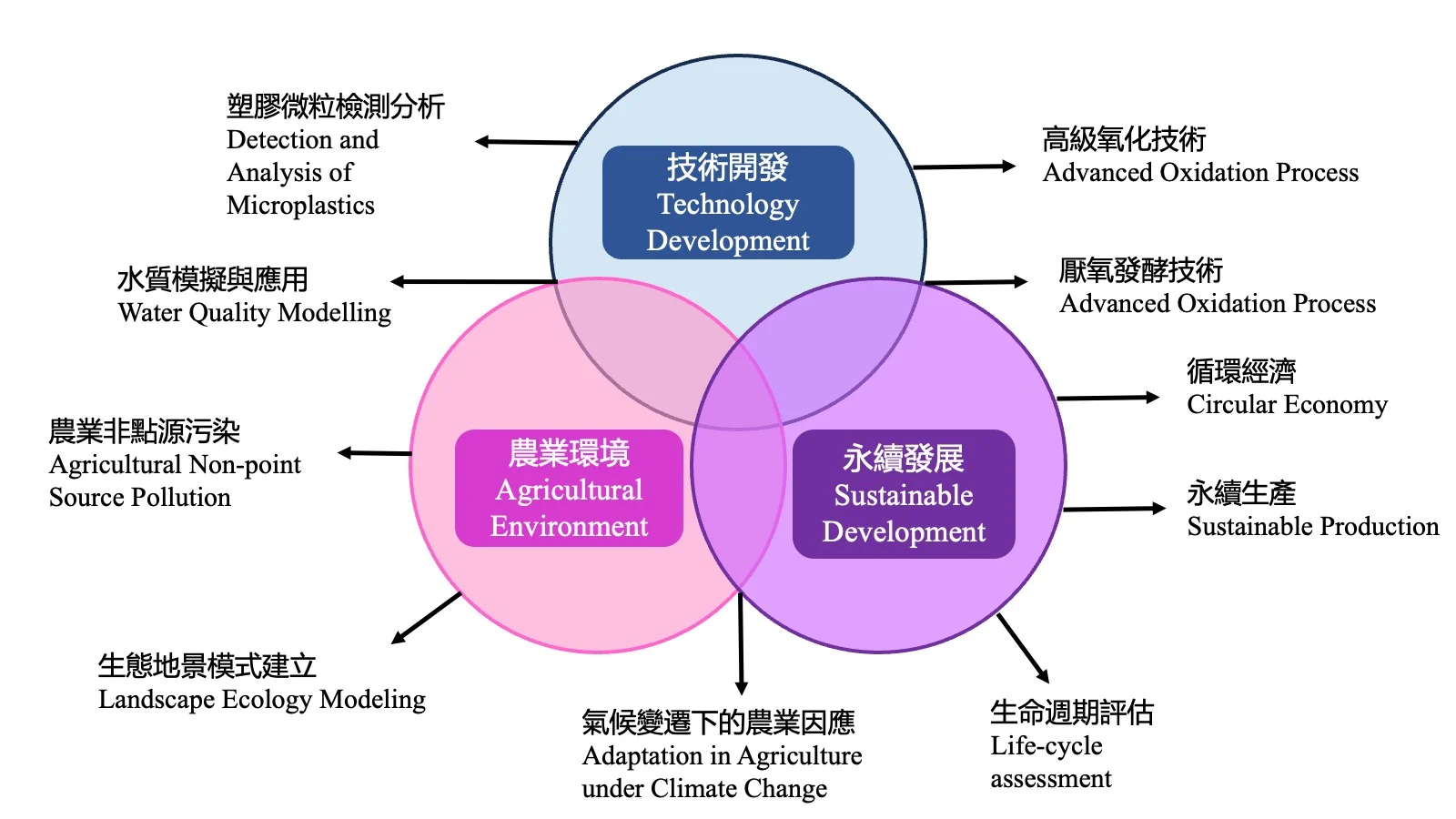
1. Application of anaerobic digestion technique to transform agroorganic substances into recycled industrial raw materials
In the other hand, recycling biological agricultural by-products (including organic materials such as food waste and sewage sludge), our research applies biofermentation technology to transform these organic materials into feedstocks for other potential industries. The project is also optimizing the laboratory-scale dry anaerobic fermentation process to convert these organic by-products into usable organic raw materials with a high carbon content. These can then be used as raw materials for certain industrial processes, refined and blended into nutrient solutions for agricultural cultivation, or used in bacterial bioprocesses to synthesize succinic acid. The project is investigating the effects of different reaction conditions on the final product. The bacterial strains used will be inoculated and domesticated from anaerobic fermentation sludge or conventional anaerobic processes. Based on the results of a compositional analysis, the project will assess their feasibility as crop nutrients, soil conditioners, and industrial chemical raw materials.
2. Development of carbon/nitrogen fixation technologies in ammonium-concentrated industrial wastewater treatment processes using PNSB and Comammox and its low-carbon valorization applications
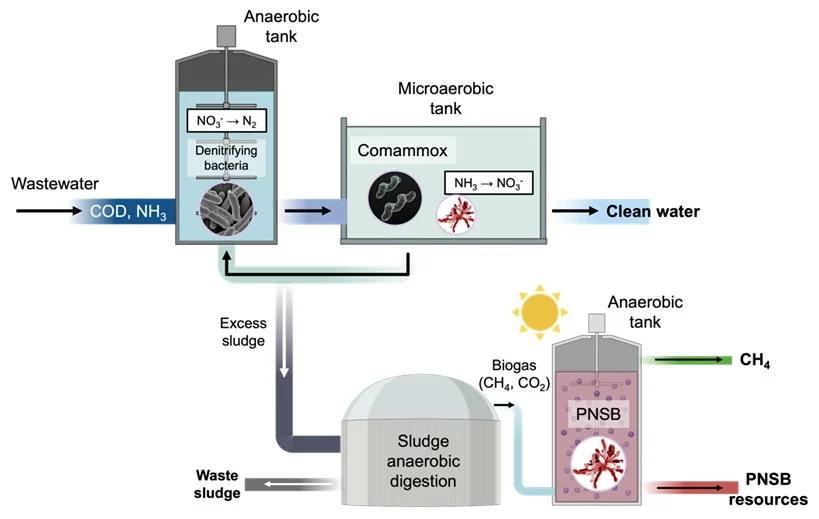
This research utilizes purple non-sulfur bacteria (PNSB) and complete ammonia oxidizer (Comammox) for high ammonium concentration industrial wastewater and sludge processing treatments which contains both negative carbon and ammonia conversion potential. This improves ammonia nitrogen treatment efficiency and reduces overall carbon emissions during wastewater treatment. Furthermore, the biomass can be further processed and developed into low-carbon products with cross-sector applications, enabling wastewater treatment systems to align with the principles of a circular economy.
3. Agricultural non-point source pollution assessment and source-reduction
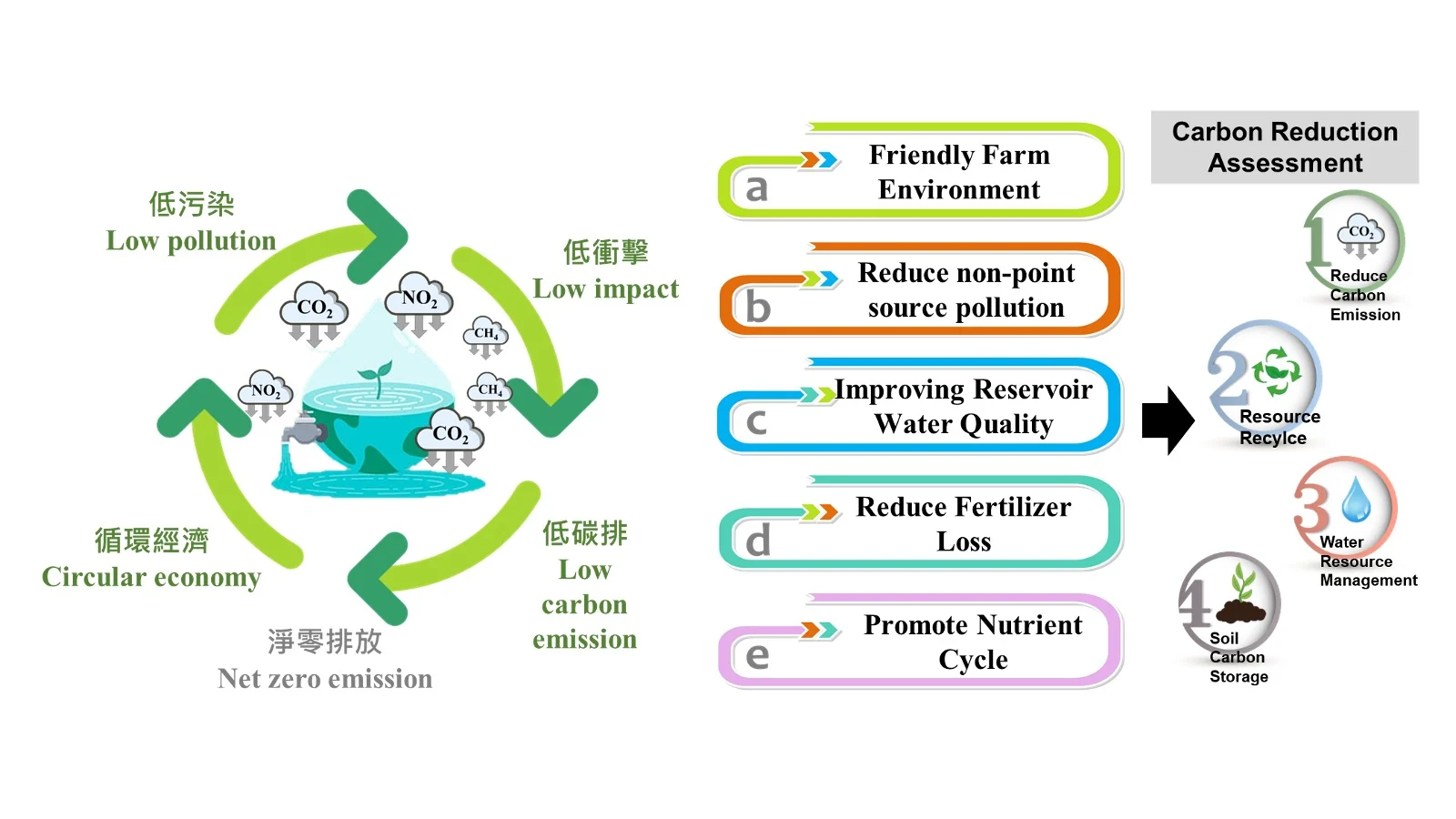
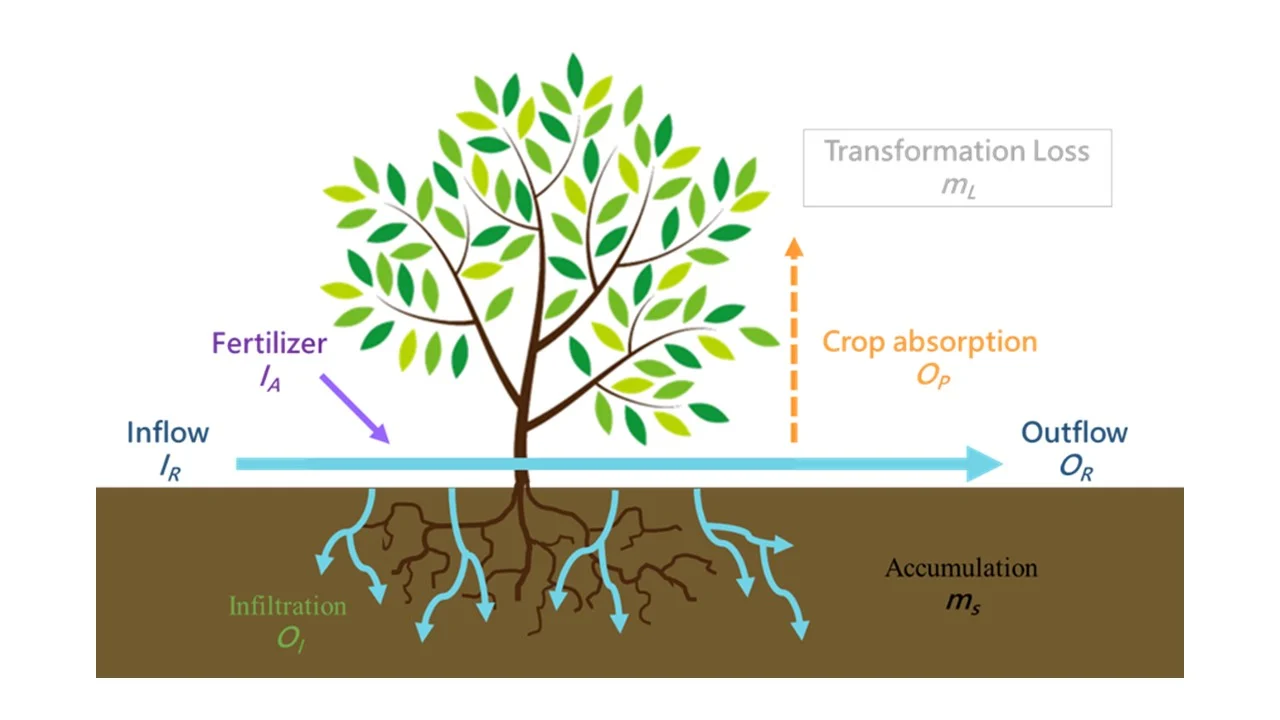
This study combines reduced fertilizer application with innovative fertilization strategies to maintain crop yields similar to those achieved with adequate fertilizer application. By developing a mass balance model and pollution transport model, we can assess the distribution of nutrient inputs into the agricultural system, including absorption by crops or lost through runoff and infiltration. They can also estimate the total nutrient loss to water bodies, systematically evaluating the effectiveness of innovative fertilization strategies in controlling agricultural non-point source pollution. Furthermore, using life cycle assessment methods, they explore their carbon-negative benefits, aiming to achieve a win-win situation for both crop yield increases and environmental protection.
4. Integrated Eco-Farming Practices and Green Infrastructure Towards Responsible Consumption and Production in Agriculture
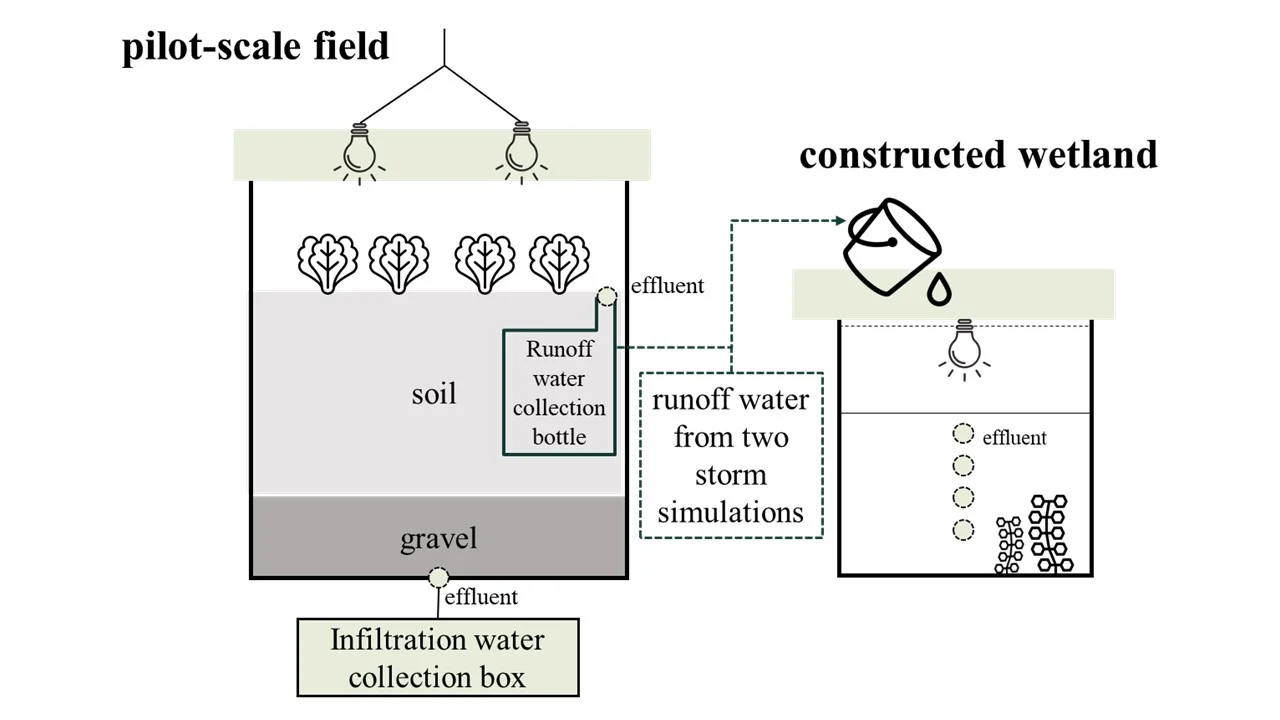
The focus of this research is establishing and promoting eco-friendly agricultural practices, integrating green infrastructure concepts, implementing practical applications of control technologies, and conducting integrated system performance evaluations. The research will focus on developing technologies to reduce the source of green agricultural pollution loads (including key agricultural materials such as nutrients and pesticides) and developing wetland technologies for pollution reduction. The developed technologies will be compared with existing practices to establish an analysis of the performance of agricultural nutrient recycling. The research will also explore the benefits of using recycled materials (exp: biochar) on nutrient efficiency and pollution reduction. By introducing the concept of socioeconomic costs and combining assessment methods such as environmental impact life cycle and cost-benefit analysis, the research will examine the contribution of these novel technological developments to new agriculture and analyze their potential impact on society.
5. The Distribution of Nutrient in Agricultural System
This study uses stable isotope (15N) tracing to track the distribution of nutrients and to assess the movement and accumulation of nutrients in agricultural systems.
6. The Detection and Analysis of Microplastics
This study utilizes Fourier-transform infrared spectroscopy (FTIR) spectroscopy to identify the composition of microplastic and thermogravimetric analysis (TGA) to analyze the thermal properties of various plastics. This method has been developed to simultaneously quantify the presence of multiple different plastic types.
7. Impacts of Climate Change on Groundwater/Agricultural Irrigation Water Quality
8. Ecosystem Characterization and Landscape Model Development
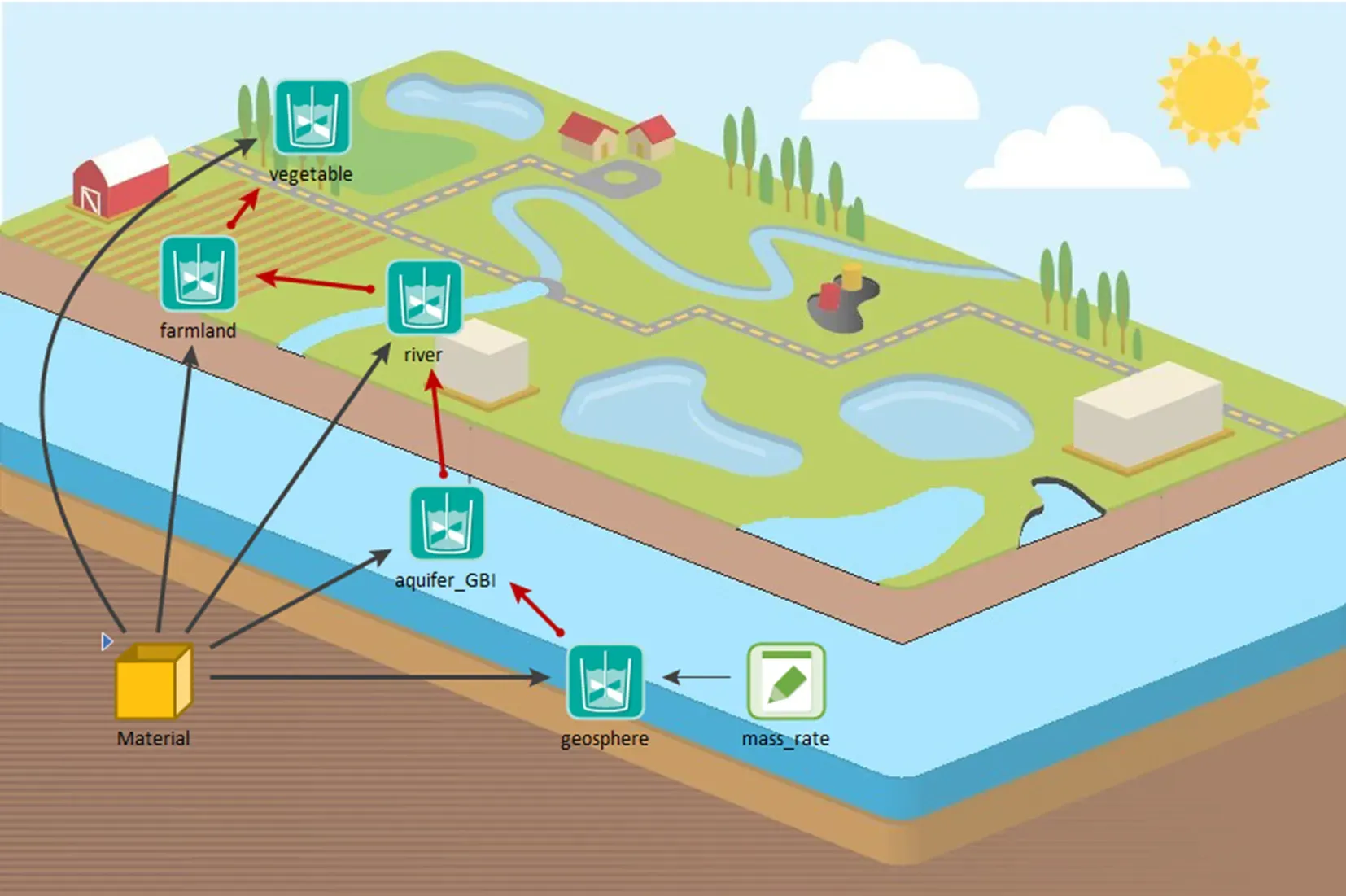
Thus, ecosystem characterization and inter-ecosystem transport modeling will provide a site descriptive model (SDM) for the biosphere environment. This model includes an ecosystem model framework, primary transport pathways, a landscape model, and relevant ecosystem model parameters. The results can be used to fully describe and analyze the transport of radionuclides within the biosphere.